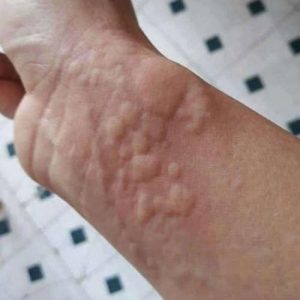
Have you been experiencing unexplained sweating, persistent itching, and redness on your skin? While it may seem like a temporary irritation, these symptoms could be indicators of underlying skin conditions—or even a sign of a larger health issue.
In this article, we’ll explore the most common causes of sweating, itching, and redness, how to identify them, and what you can do to find relief. Let’s dive into the facts your skin wants you to know.
Common Causes of Sweating, Itching, and Redness
1. Contact Dermatitis: A Reaction to Your Environment
Contact dermatitis occurs when your skin reacts to something it touches. It’s a common form of eczema caused by either an allergic reaction (allergic contact dermatitis) or direct irritation (irritant contact dermatitis).
Typical triggers include:
Soaps and detergents
Perfumes or cosmetics
Jewelry (especially nickel)
Latex or rubber
Certain fabrics or dyes
Symptoms:
Red, inflamed skin
Itching and burning
Blisters or dry patches
Often limited to the area of contact
What to do: Avoid the trigger, apply fragrance-free moisturizers, and consider using over-the-counter topical corticosteroids under the guidance of a pharmacist or physician. Severe or recurring cases should be evaluated by a dermatologist.
2. Heat Rash (Miliaria): When Sweat Gets Trapped
Heat rash, or miliaria, develops when sweat ducts become blocked, trapping sweat beneath the skin. This condition is especially common in hot, humid climates and after physical activity.
Common signs include:
Small red or clear bumps
A prickling or stinging sensation
Itchy skin, especially under clothing or in skin folds
Most often appears on the chest, back, neck, or armpits
What to do: Keep the affected area cool and dry, wear loose clothing, and avoid overheating. The condition usually clears up on its own within a few days.
3. Allergic Reactions: When Your Immune System Overreacts
Allergic skin reactions can occur due to food, insect bites, medications, or environmental allergens like pollen, dust mites, or pet dander.
Signs to watch for:
Hives (raised, itchy welts)
Red patches or blotchy skin
Swelling
In severe cases, difficulty breathing or swallowing (requires emergency care)
What to do: Antihistamines may relieve mild symptoms, but if the reaction involves swelling of the lips, tongue, or airways, seek immediate medical attention. Identifying and avoiding the allergen is key to long-term control.
4. Fungal Infections: When Moisture Breeds Trouble
Fungal infections such as ringworm (tinea), athlete’s foot, and yeast infections thrive in warm, moist environments. These are common in people who sweat heavily or wear tight, non-breathable clothing.